
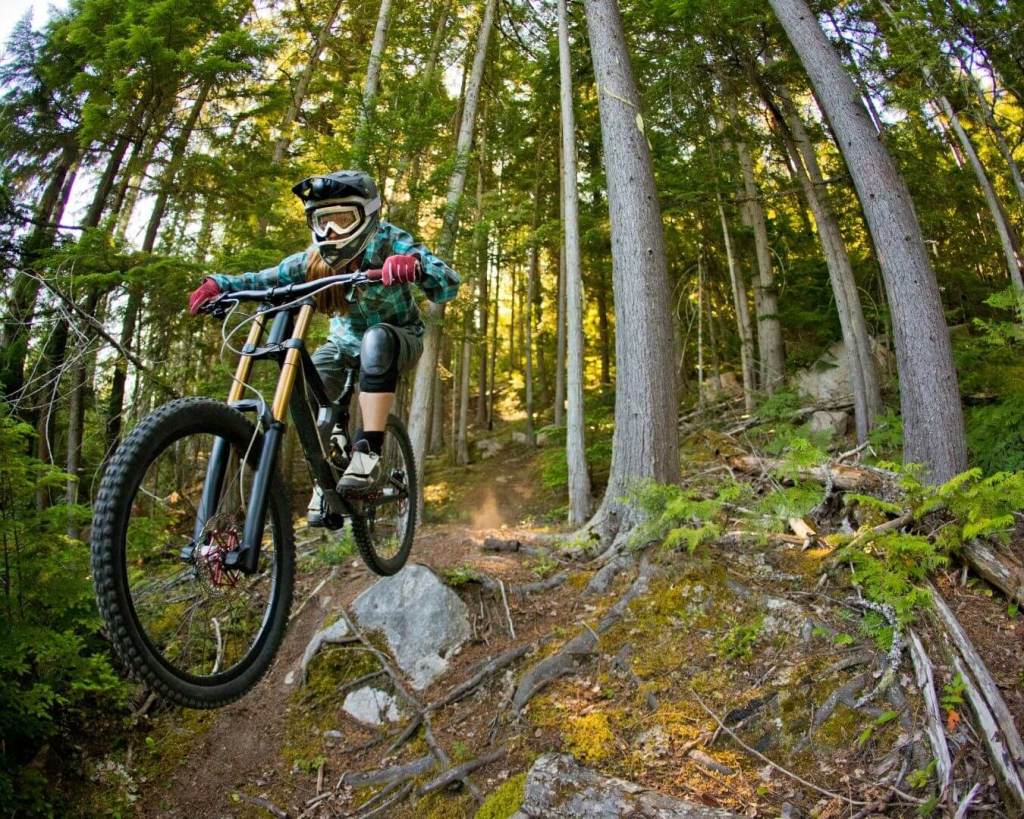

park city mTB Trail Park: A ride through utah’s premiere MTB destination
As I clipped into my pedals and took a deep breath of the crisp mountain air, I knew I was about to embark on something special. Park City, Utah, is often hailed as one of the best mountain biking destinations in the world, and after experiencing it firsthand, I can confidently say it lives up to the hype.
From fast, flowy jump trails to gnarly rock gardens and technical downhill runs, Park City Bike Park offers a mix of everything. Whether you’re a casual rider looking for a smooth, scenic descent or an expert ready to bomb down black-diamond-rated chutes, this place has it all.
First Impressions: Park City’s MTB Scene
Park City isn’t just home to one bike park—it’s an interconnected network of over 450 miles of singletrack, serviced by multiple lift-accessed resorts, including Deer Valley Resort, Woodward Park City, and Canyons Bike Park (within Park City Mountain Resort). The elevation here starts around 7,000 feet, so if you’re coming from sea level, you’ll definitely feel the altitude on your first few climbs.
After checking out a few maps and chatting with some local riders, I decided to spend my time at the crown jewel of Park City MTB—Deer Valley Resort. With multiple chairlifts, immaculately groomed trails, and a reputation for building some of the most fun flow trails in the country, it was an easy choice.
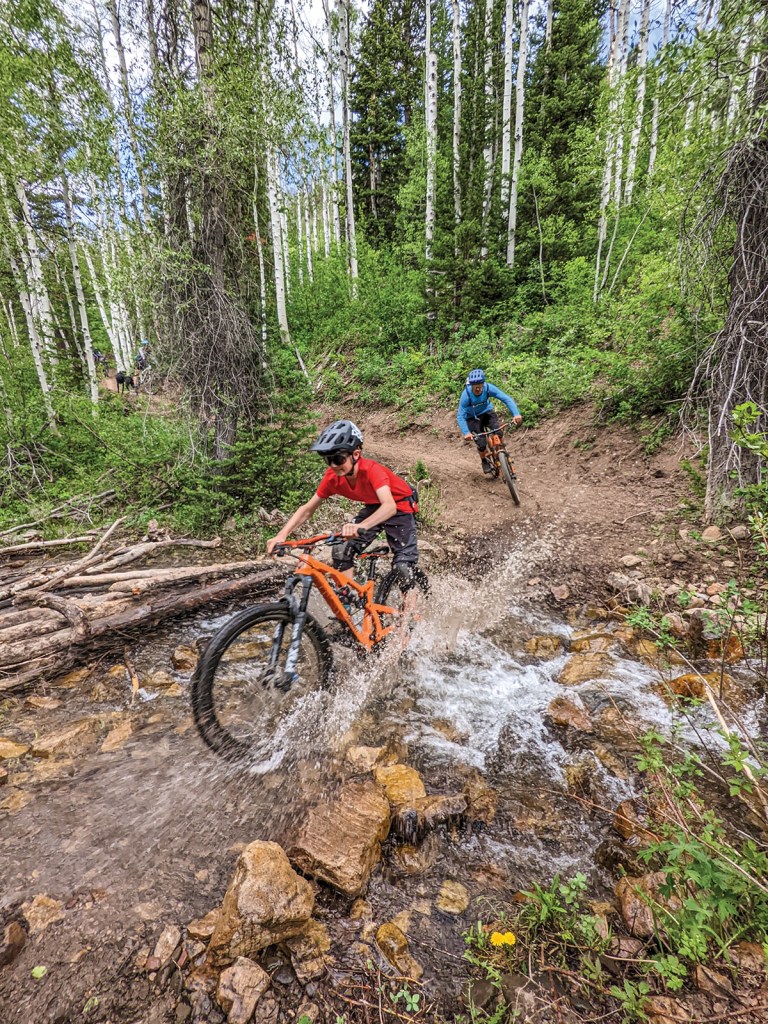
The Ride: Experiencing Park City’s Signature Trails
Tidal Wave: A Flow Rider’s Dream
Trail Rating: Blue (Intermediate)
Trail Type: Flow / Jump Trail
Key Features: Big berms, table-top jumps, fast and smooth terrain
Dropping into Tidal Wave felt like stepping onto a rollercoaster built for two wheels. This intermediate flow trail is one of the most talked-about runs at Deer Valley, and for good reason. The berms are sculpted to perfection, allowing you to carry momentum effortlessly from turn to turn.
My bike—a full-suspension Santa Cruz Bronson with 150mm of travel—felt like it was built for this. The suspension soaked up every landing, and the 29-inch wheels rolled smoothly over small bumps, giving me the confidence to send each jump a little bigger.
About halfway down, I hit the signature feature: a set of perfectly spaced table-top jumps. Each one progressively gets larger, but the transitions are so dialed that even if you case a landing, the impact isn’t jarring. By the time I reached the bottom, my face hurt from smiling.
NCS (National Championship Series): A True Downhill Beast
Trail Rating: Black Diamond (Advanced)
Trail Type: Technical Downhill
Key Features: Steep chutes, rock gardens, tight switchbacks
After the smooth, flowing ride on Tidal Wave, I wanted to push my limits. That led me to NCS, a legendary black-diamond downhill run known for its technical difficulty, massive rock gardens, and relentless speed.
As soon as I dropped in, the trail demanded complete focus. Unlike the groomed berms of Tidal Wave, NCS felt raw and natural—a series of jagged rock gardens, steep chutes, and switchbacks that required quick reflexes and precise bike handling.
At one point, I encountered a particularly brutal rock section where my rear tire bounced unpredictably. The rear suspension on my bike (Fox DPX2 shock) did its job, absorbing the worst of the impacts, but I still had to stay light on my pedals and let the bike move freely underneath me.
About two-thirds down the trail, I reached a mandatory drop-off into a tight right-hand berm. I compressed my suspension, let off the brakes, and let my bike do the work. The landing was surprisingly smooth, and I could feel the adrenaline surging through my veins.
This trail was pure downhill mountain biking at its finest, and by the time I reached the bottom, my hands were cramping from braking.
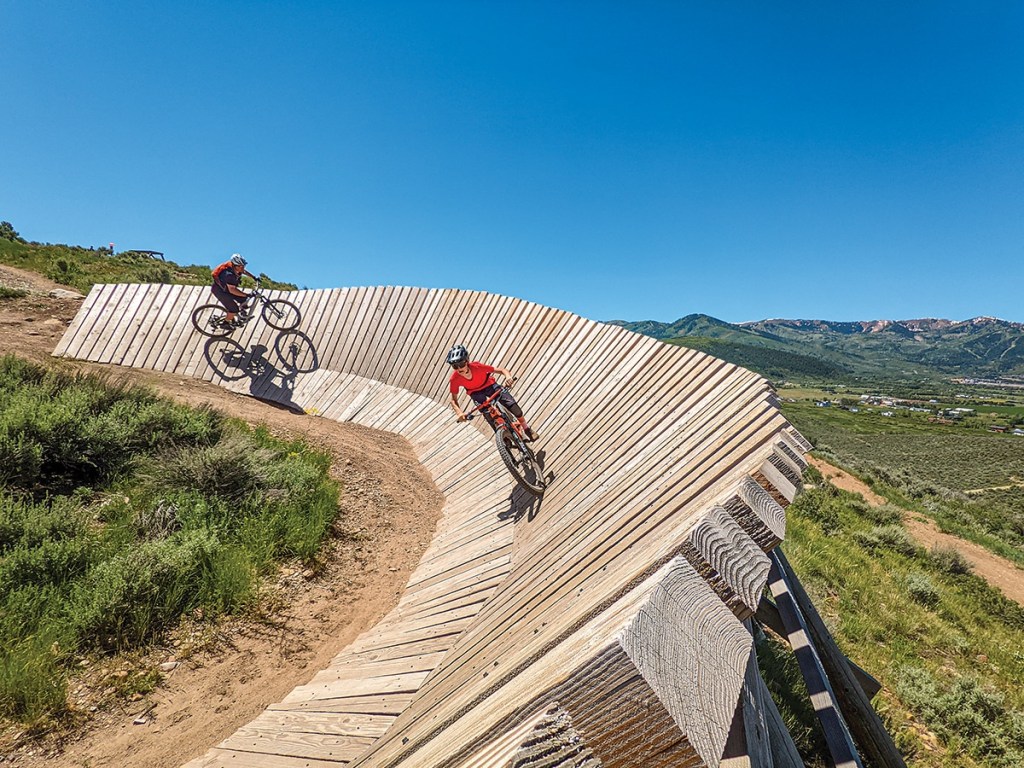
Twist & Shout: The Perfect Mix of Flow and Tech
Trail Rating: Blue/Black (Intermediate-Advanced)
Trail Type: Hybrid Flow / Technical
Key Features: Rock rollers, root sections, wooden features
Twist & Shout is a trail that keeps you on your toes. It’s not as smooth as Tidal Wave, nor as gnarly as NCS, but it offers a little bit of everything—berms, rock rolls, wooden features, and a few technical sections that force you to think.
The first half felt playful and flowy, with gentle jumps and well-built wooden bridges that made it easy to maintain speed. But about halfway down, the character of the trail changed. Tight, root-infested switchbacks and exposed rock gardens started appearing more frequently, forcing me to slow down and pick my lines carefully.
One of the standout features was a rock slab with a blind roll-over. It didn’t look bad from above, but once I committed, I realized just how steep it was. My Maxxis Minion tires gripped the rock like glue, and I let my Fox 36 fork do the work, absorbing every jolt.
By the time I exited the trail, I was in awe. It wasn’t the fastest or the scariest trail I rode that day, but it had the perfect mix of technical and flowy elements to keep things interesting.
Bike Handling & Setup for Park City
Given the variety of terrain in Park City, having the right bike setup makes a world of difference. Here’s what I found worked best:
- Full Suspension is a Must – Hardtails will work for some of the flow trails, but for runs like NCS and Twist & Shout, you’ll want at least 140-160mm of suspension travel.
- Dropper Post Helps a Lot – The trails here have a mix of climbs and descents, so a dropper post makes switching between aggressive and efficient riding positions effortless.
- Tire Choice Matters – I ran Maxxis Minion DHF/DHR combo (2.5” up front, 2.4” in the rear), and it was perfect for both grip and rolling speed.
- Brakes Need to Be Dialed – Long descents and high speeds require powerful brakes. My SRAM Code RSCs held up well, but I’d recommend 4-piston brakes for anyone tackling the steeper runs.
Pros & Cons of Park City Bike Park
Pros:
✅ World-Class Trail Design – Every trail is well-maintained, expertly built, and offers a unique riding experience.
✅ Diverse Terrain – From flowy jump trails to gnarly rock gardens, Park City has something for everyone.
✅ Lift-Access for Maximum Fun – Deer Valley’s chairlift system makes accessing downhill runs effortless.
✅ Breathtaking Scenery – Few places can match the stunning alpine views you get while riding here.
Cons:
❌ Altitude Takes Getting Used To – Riding at 7,000+ feet is no joke if you’re not acclimated.
❌ Lift Hours Are Limited – Some lifts only operate on specific days, so check schedules in advance.
❌ Crowds on Weekends – Popular trails like Tidal Wave can get busy, so arrive early for the best runs.
Final Verdict: Is Park City Worth the Trip?
Absolutely. Park City Bike Park delivers one of the best mountain biking experiences in North America. With a mix of fast flow trails, steep downhill tracks, and everything in between, it’s a must-ride destination for any mountain biker.
Whether you’re a weekend warrior looking for a fun ride or a seasoned downhill racer wanting to push your limits, Park City has something to offer. I left feeling exhausted, exhilarated, and already planning my next trip back.
Final Rating: 9.5/10
 My Mountain Bike
Leave a comment