
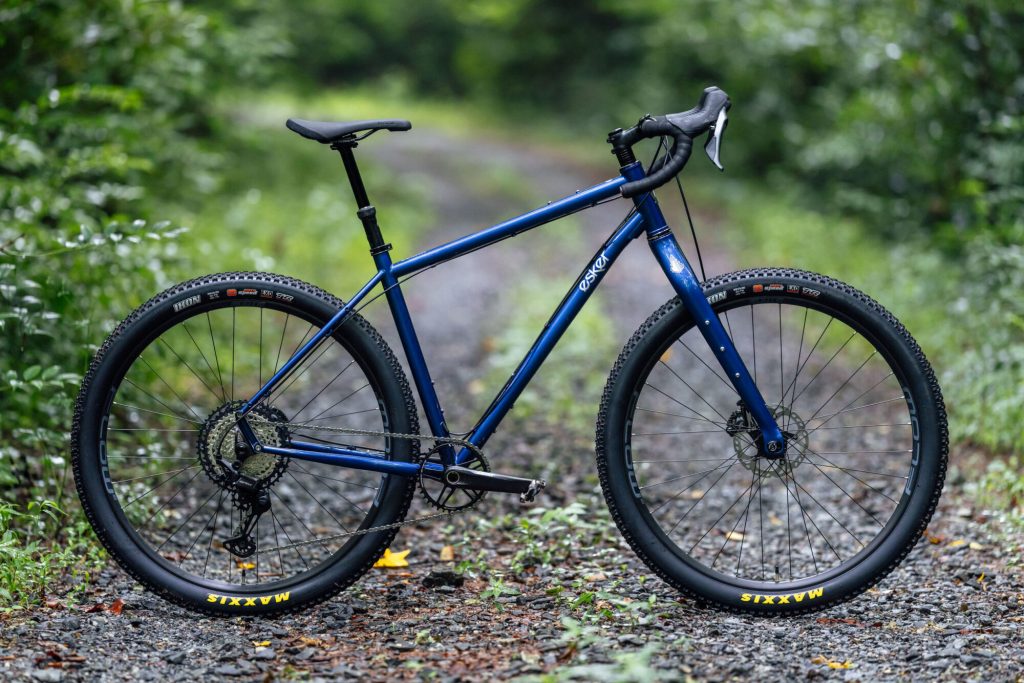

Drop-Bar Mountain Bikes: A Wild Experiment or the Future of Off-Road Riding?
I’ll be honest—when I first heard about drop-bar mountain bikes, I was skeptical. Drop bars belong on road bikes, right? Why would anyone want to take them onto rough, technical trails where wide flat bars rule? But curiosity got the best of me, and I had to find out for myself.
After spending time riding, researching, and even testing a drop-bar MTB setup, I’m here to share everything I’ve learned—the pros and cons, ride characteristics, costs of conversion, and whether this setup actually makes sense for real-world mountain biking. As always, protect yourself on the trails and remember to wear a helmet, proper Outerwear and bring that camera to document your greatness and your failures. and be sure to check out our other informative reviews in the MTB community.
What Is a Drop-Bar Mountain Bike?
At its core, a drop-bar mountain bike is exactly what it sounds like—a standard MTB frame fitted with road-style drop handlebars instead of traditional wide flat bars.
These bikes blend elements of mountain biking, gravel riding, and bikepacking, making them a fascinating middle ground between adventure bikes and full-blown off-road rigs. Some brands now design frames specifically for drop bars, while others modify existing MTB models to fit this unique setup.
Check out this video for a deep dive into drop-bar MTBs:
Why Would You Ride a Drop-Bar MTB?
After a few rides, I started to understand why some riders swear by drop-bar mountain bikes. Here’s what stood out:
1. Multiple Hand Positions = Less Fatigue
On longer rides, especially over mixed terrain, having multiple grip options is a game-changer. Unlike flat bars, which limit you to one or two hand positions, drop bars allow you to switch between:
- The hoods (for climbing and control)
- The drops (for aggressive descending and aerodynamics)
- The tops (for relaxed cruising on smoother sections)
This means less wrist and shoulder fatigue, especially on all-day trail riding trips or gravel adventures.
2. Aerodynamics & Speed on Open Terrain
Drop bars reduce wind resistance, making them faster on fire roads, gravel paths, and long-distance adventures. If you’re covering big miles with mixed terrain, this setup can actually feel more efficient than a traditional mountain bike.
3. Narrower Bars = Easier Maneuverability in Tight Spots
Standard MTB handlebars can be wide—sometimes too wide for dense forests, singletrack, or urban commuting. Drop bars are narrower, making it easier to weave through tight trails and avoid clipping trees.
4. Adventure & Bikepacking Ready
Drop-bar MTBs naturally lend themselves to bikepacking. They allow for extra handlebar bags, more comfortable long-distance positioning, and a setup that’s optimized for carrying gear.
What Are the Downsides?
Of course, drop-bar mountain bikes aren’t perfect. There are some real trade-offs:
1. Less Control on Technical Terrain
Wider bars = more leverage. When you switch to drop bars, you lose some of that control, making steep descents and technical sections more challenging.
2. Brake and Shifter Compatibility Issues
Mountain bike components are designed for flat bars, which means switching to drop bars can create compatibility headaches. MTB drivetrains don’t always work seamlessly with drop-bar shifters and brake levers.
3. Price of Conversion Can Add Up
If you’re converting a flat-bar MTB, you’ll need:
✔ Drop handlebars ($50 – $200)
✔ New shifters and brake levers ($100 – $400)
✔ New stem (potentially) ($30 – $80)
✔ Possibly new cables or drivetrain components
Total conversion cost: $200 – $700+, depending on parts
At that point, you might wonder: Should I just buy a gravel bike instead?
How Does a Drop-Bar MTB Actually Ride?
I took my drop-bar setup through a mix of gravel roads, mellow singletrack, and some moderately technical trails. Here’s what I found:
1. Climbing: ⭐⭐⭐⭐☆ (4/5)
The aerodynamic position and multiple hand options make climbing more efficient. On fire roads and long gravel climbs, the drop bars really shine. However, for technical uphill sections, I missed the added control of a wider bar.
2. Descending: ⭐⭐⭐☆☆ (3/5)
This is where things get tricky. On fast, flowy descents, the drop bars felt fine. But on steep, rocky, or technical terrain, I missed the leverage and confidence of a flat bar. The drops can feel unstable on rough sections.
3. Cornering & Handling: ⭐⭐⭐☆☆ (3/5)
Handling feels different—it’s not bad, just unique. In open terrain, it’s smooth and controlled, but in tight switchbacks, it took some getting used to. The narrower bars require a bit more body movement to steer effectively.
4. Long-Distance Comfort: ⭐⭐⭐⭐⭐ (5/5)
For all-day rides, trail riding, and mixed terrain adventures, this is where drop-bar MTBs really shine. Less wrist strain, better aerodynamics, and a more natural riding posture make it great for big miles.
Who Should Ride a Drop-Bar Mountain Bike?
Drop-bar MTBs are a great fit for:
✔ Gravel riders who want more off-road capability
✔ Bikepackers looking for a comfortable, long-distance setup
✔ MTB riders who do a lot of fire-road or mixed-surface riding
✔ Urban commuters who want an all-terrain, adventure-ready bike
But they might NOT be ideal if:
❌ You ride a lot of technical singletrack or downhill trails
❌ You want maximum control on rough terrain
❌ You already have a gravel bike and don’t need extra overlap
Final Thoughts: Is a Drop-Bar MTB Worth It?
At the end of the day, drop-bar mountain bikes are not a gimmick—but they’re also not for everyone.
They’re an awesome hybrid option for gravel riders, bikepackers, and those who love adventure riding on mixed terrain. The added hand positions and aerodynamic benefits make them great for long days in the saddle.
However, if technical mountain biking is your main focus, you’ll likely be better off sticking to flat bars.
For me? I love the drop-bar MTB for gravel adventures and long-haul rides, but when it’s time to tackle rocky, root-filled descents, I’m reaching for my flat-bar setup every time.
Would you try a drop-bar mountain bike? Or is this setup just too weird for you? Let me know in the comments!
 My Mountain Bike
Leave a comment