
Are Electric Mountain Bikes Worth It? A Rider’s Perspective
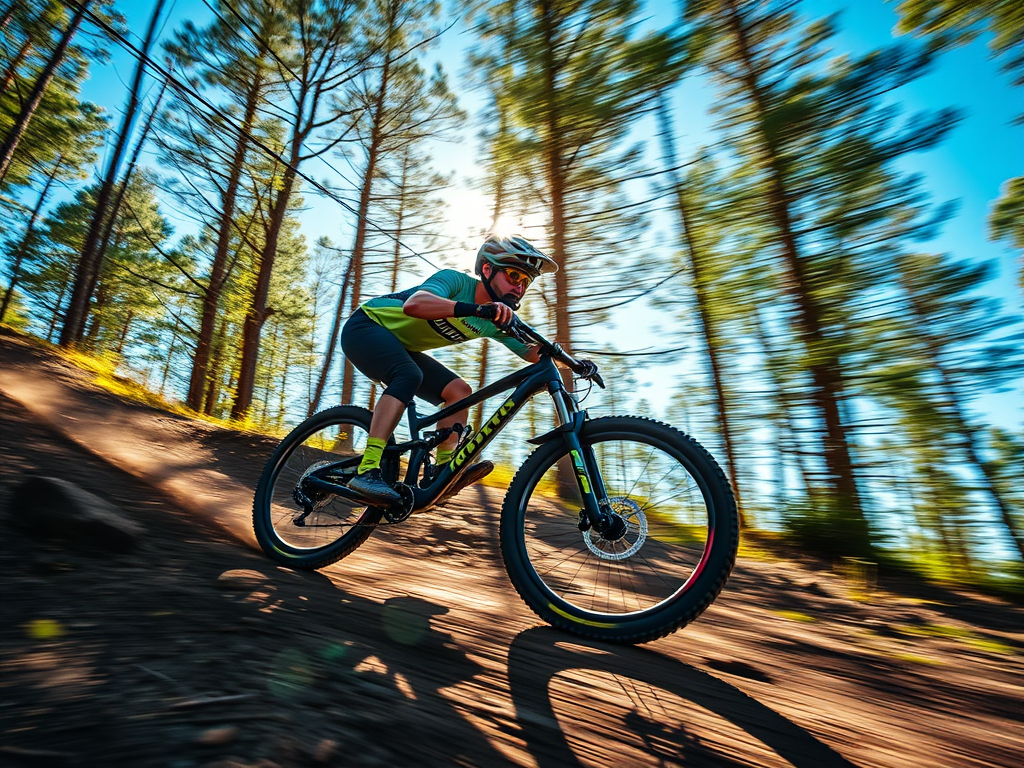
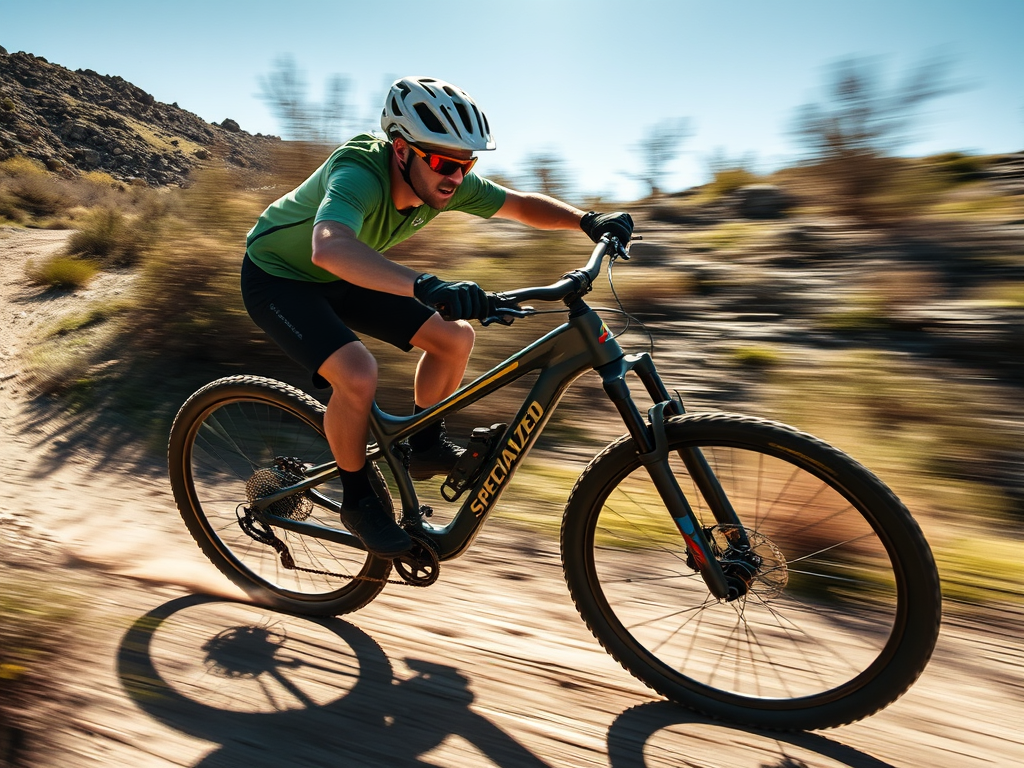
I’ve spent years ripping down gnarly descents, tackling steep technical lines, and pushing traditional mountain bikes to their limits. Downhill riding has always been my passion, and I’ve ridden everything from high-end enduro rigs to old-school hardtails. But when e-MTBs started gaining traction, I was skeptical. Could they really enhance the ride without taking away the thrill?
After logging countless hours on both traditional and electric mountain bikes, I’ve come to appreciate the unique benefits e-MTBs bring to the table. In this article, I’ll break down the pros and cons of e-MTBs from a rider’s perspective, covering their climbing and descending performance, battery life, and whether they’re worth the investment for serious riders. But first as always, don’t forget to arm yourself with the Necessary safety gear, Cameras to document your mad skills and Solar panels for your bike and tech.
First off, let’s check out the pros and cons of having an electric mTB on the trails.
Pros
✅ Enhanced Climbing Ability: One of the most significant advantages of e-MTBs is their ability to power up steep and technical climbs with ease. The built-in motor assistance reduces fatigue, allowing riders to conquer more challenging terrain and extend their riding sessions.
✅ Extended Trail Access & Ride Time: With an e-MTB, riders can cover longer distances in less time. This means greater access to previously unreachable trails and the ability to enjoy extended rides without excessive exhaustion.
✅ Improved Descending Performance: The extra weight of an e-MTB provides increased stability on descents. Additionally, modern e-MTBs feature advanced suspension systems that enhance control and handling, making technical downhill sections more manageable.
✅ Eco-Friendly & Cost-Effective Transportation: Compared to gas-powered alternatives, e-MTBs have a significantly lower environmental impact. They also reduce the need for car shuttles to trailheads and tend to have lower maintenance costs than motorcycles or ATVs.
Cons
❌ Heavier Weight: E-MTBs are generally heavier than traditional mountain bikes, which can affect maneuverability and make them more challenging to transport.
❌ Limited Battery Life & Charging Time: Battery life varies depending on terrain, rider weight, and assistance level. Riders must plan their trips accordingly and consider charging time when embarking on longer rides.
❌ Higher Initial Cost: E-MTBs typically come with a higher price tag than traditional mountain bikes. Additionally, maintenance costs and battery replacements can add to the overall investment.
❌ Trail Access Restrictions: Some trails prohibit e-MTBs, leading to conflicts with traditional mountain bikers and regulatory bodies. Riders should check local trail regulations before heading out.
Climbing and Descending Performance
Climbing Advantages
E-MTBs shine on climbs, offering powerful motor assistance that makes steep ascents more accessible. Riders experience less strain and can enjoy multiple climbs in a single ride.
Descending Advantages
The lower center of gravity and added weight of an e-MTB provide increased stability and traction. This translates to better control and confidence on rough and technical descents.
Battery Life & Charging Considerations
Average Range
Battery range depends on factors such as terrain, rider weight, and power output. Riders can maximize efficiency by using lower assistance levels when necessary.
Charging Time
Most e-MTB batteries take between 3 to 6 hours to fully charge. Fast-charging options are available for some models, helping riders minimize downtime between rides.
Top 3 Electric Mountain Bikes for 2025
Now, these are not the only E-MTB’s on the market, just my favorite so far. Let’s see what the market will bring us this year.
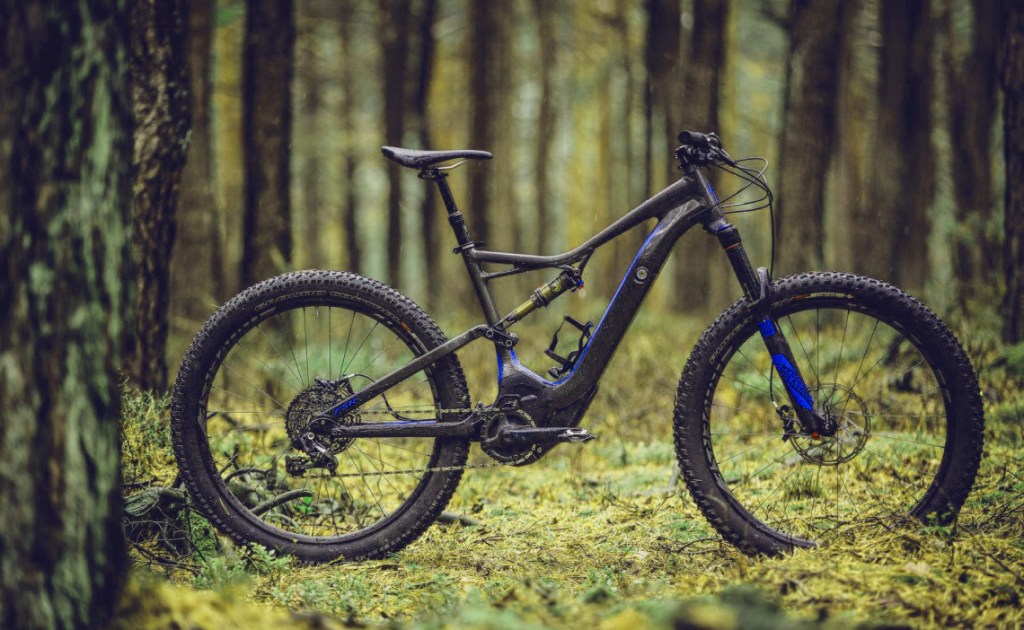
1. Specialized Turbo Levo
- Price: ~$8,000-$12,000
- Motor: Specialized 2.2 motor, 90Nm torque
- Battery: 700Wh, range up to 5 hours
- Key Features: Lightweight, agile, premium suspension
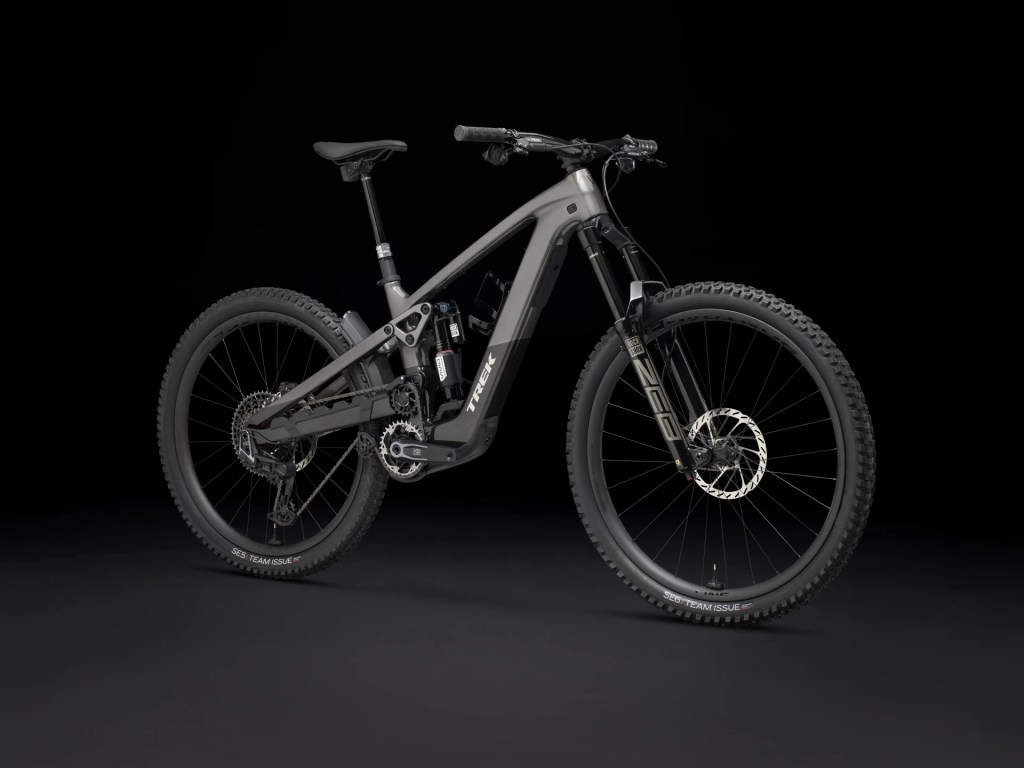
2. Trek Rail 9.9
Check Out my full review here of this awesome bike
- Price: ~$10,000-$13,000
- Motor: Bosch Performance CX, 85Nm torque
- Battery: 750Wh, range up to 6 hours
- Key Features: Carbon frame, powerful motor, advanced geometry
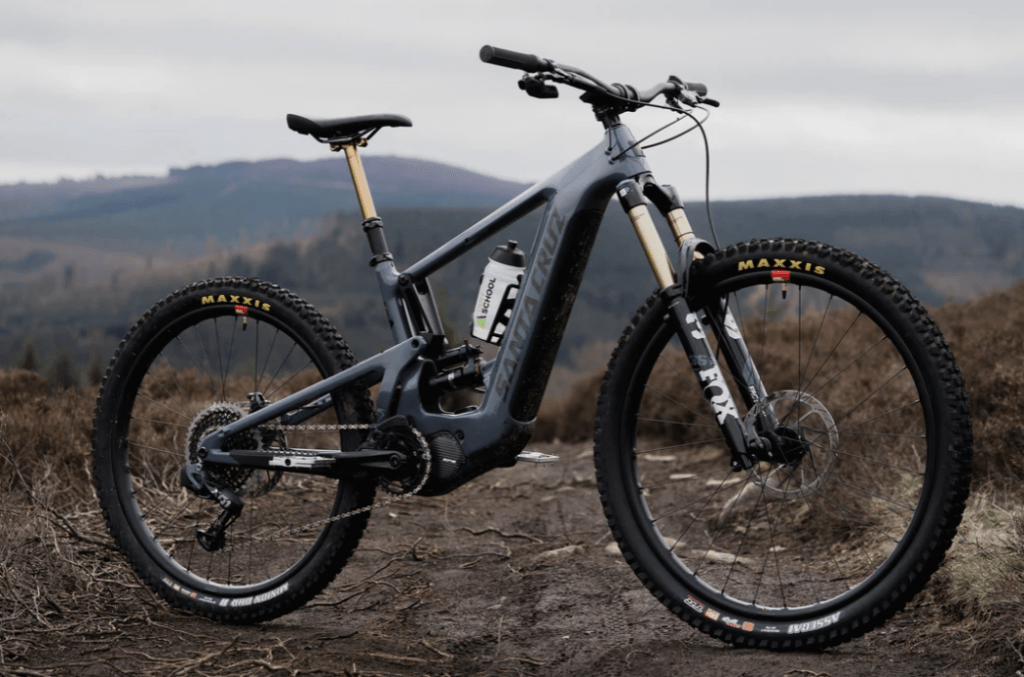
3. Santa Cruz Heckler MX
- Price: ~$8,000-$11,000
- Motor: Shimano EP8, 85Nm torque
- Battery: 720Wh, range up to 5 hours
- Key Features: Mixed wheel setup, durable frame, great for aggressive riders
Final Thoughts
E-MTBs offer significant benefits, particularly in climbing ability, extended ride time, and enhanced stability on descents. However, their higher cost, increased weight, and potential trail access restrictions may be drawbacks for some riders. Ultimately, whether an e-MTB is worth it depends on your riding goals and preferences.
FAQs
- How long do e-MTB batteries last?
Battery life depends on terrain, assistance level, and rider weight, but most e-MTBs offer a range of 3-6 hours per charge. - Are electric mountain bikes allowed on all trails?
No, some trails have restrictions on e-MTB usage. Always check local regulations before riding. - Can e-MTBs be used without motor assistance?
Yes, e-MTBs can be pedaled like traditional bikes, but the added weight may make them more challenging to ride without assistance. - Do e-MTBs require more maintenance than traditional MTBs?
They require additional maintenance for the motor and battery but generally have similar upkeep needs for suspension and drivetrain. - What should I consider before buying an e-MTB?
Key factors include motor power, battery range, bike weight, suspension quality, and intended riding terrain.
 My Mountain Bike
Leave a comment